cleanrooms, clean rooms clean-rooms.org clean room, clean room design modular clean rooms, sterile clean rooms
clean room equipment, clean room construction
laminar flow clean rooms, clean room engineering
portable clean rooms, softwall cleanrooms cleanroom enclosures, cleanroom buildings cleanroom services, cleanrooms clean rooms, clean room clean room design, modular clean rooms
sterile clean rooms, clean room equipment
clean room construction, laminar flow clean rooms
clean room engineering, portable clean rooms softwall cleanrooms, cleanroom enclosures

A cleanrooms and clean rooms manufacturers directory including clean room, clean room design, modular clean rooms, sterile clean rooms, clean room equipment, clean room construction, laminar flow clean rooms, clean room engineering, portable clean rooms, softwall cleanrooms, cleanroom enclosures, cleanroom buildings and cleanroom services.  

cleanroom buildings, cleanroom services cleanrooms, clean rooms   clean room, clean room design
modular clean rooms, sterile clean rooms clean room equipment, clean room construction laminar flow clean rooms, clean room engineering portable clean rooms, softwall cleanrooms cleanroom enclosures, cleanroom buildings cleanroom services, cleanrooms clean rooms, clean room

Information Page Links:

ISO - International Organization
for Standardization


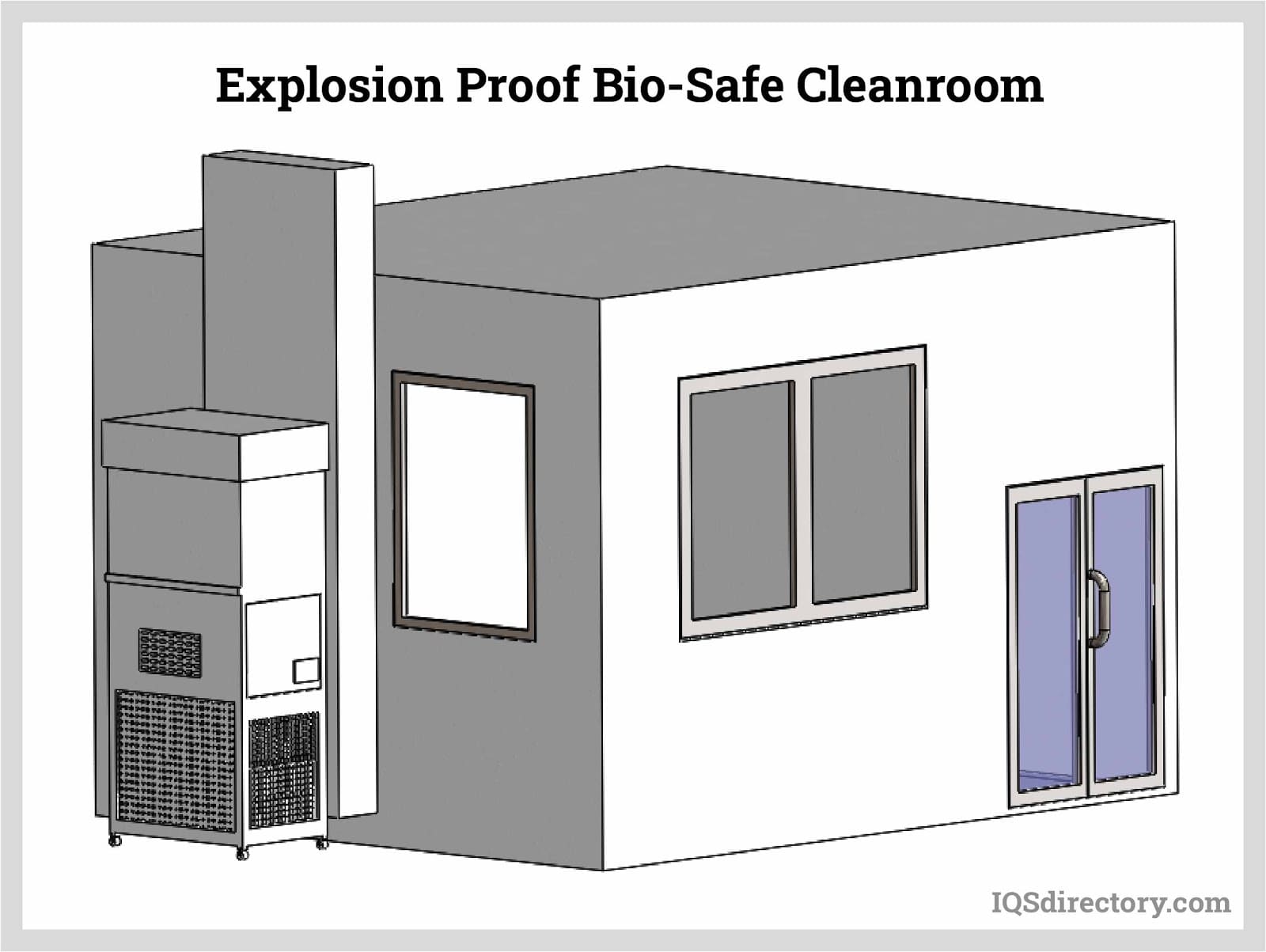
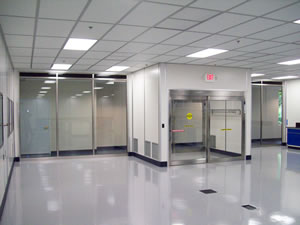
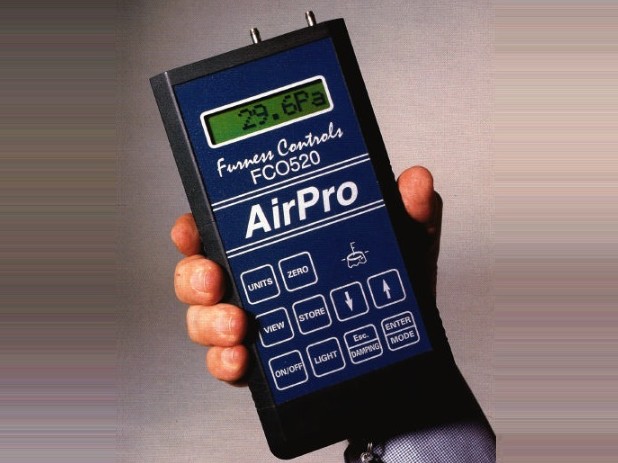
Clean rooms are facilities in which air content is strictly controlled. Air conditions such as temperature, humidity and pressure are closely monitored and maintained to avoid contamination of the environment in cleanrooms. Clean room manufacturers pay strict attention to air particles, most cleanroom design companies including clean room manufacturers specializing in modular cleanroom design and portable cleanroom design target prevention of air particles 0.5 microns in size or larger, which is generally the target of cleanroom air filters. However, some industries are going after even smaller air particles. The size of cleanrooms range from micro environments to huge areas referred to as ballrooms. Cleanroom fabrication includes conventional cleanrooms, hardwall modular cleanrooms, softwall modular cleanrooms, mini environment cleanrooms and micro environment cleanrooms. Cleanrooms can be divided into two areas: the critical area, which is the area of clean rooms where contamination can gain direct access to the production area, and the general area, which consists of the rest of the clean room.

The federal standard divides cleanrooms and cleanroom design into four classes of air cleanliness. In Class 100,000 cleanrooms, the particle count cannot exceed a total of 100,000 particles per cubic foot of a size 0.5 micron and larger or 700 particles per cubic foot of a size 5.0 microns and larger. The particle count for Class 10,000 cleanrooms cannot exceed a total of 10,000 particles per cubic foot of a size 0.5 micron and larger or 65 particles per cubic foot of a size 5.0 microns or larger. For Class 1,000 clean rooms, the particle count may not surpass a total of 1,000 particles per cubic foot of a size 0.5 micron and larger or 10 particles per cubic foot of a size 5.0 microns or larger. And finally, the total particle count of Class 100 cleanrooms may not surpass 100 particles per cubic foot of a size 0.5 micron and larger. Cleanroom classes are determined in an at rest state, meaning when no one is in the clean room.

Cleanroom Contamination can come from just about anywhere. People are the largest source of cleanroom contamination, as we shed one billion skin flakes every 24 hours. When just standing still, 100,000 particles per minute are shed. When walking only two mph, 5,000,000 particles/min. are shed; walking 5 mph creates 10,000,000 particles/min. ěHorseplay,î or just goofing off, can release 100,000,000 particles per min. into the environment. Other sources of cleanroom contamination are the facility itself (e.g. paint and coatings, air conditioning debris, cleanroom construction materials, etc.), particles generated by tools (e.g. lubricants and emissions), fluids (e.g. floor finishes or coatings and cleaning chemicals) and particles generated by products such as silicon chips, quartz and aluminum. Cosmetics, perfume, hair care products and clothing debris are other sources of contaminants in cleanrooms.
Cleanrooms came about during the space race of the 1960s. However, now a wide variety of industries utilize clean room manufacturers: chemical, SMT, computer, silk screening, biomedical, electronics, disc memory, photographic, aerospace, nuclear, optical, hybrid and circuitry. Cleanrooms are also in place in facilities that produce silicon chips, hard disk drives and other technologies, such as satellites. The air in a typical office building contains between 500,000 and 1,000,000 particles per cubic foot. A particle 200 times smaller than a human hair (approximately 75-100 microns in diameter) can cause major damage to sensitive equipment. Without clean rooms, creating structures and devices with feature sizes that are equal to or less than that of a dust particle would be impossible.
Images Provided by Abtech, Inc.


"E-Shaped Environments Include ISO Class 6, 7 Cleanrooms"
http://www.cleanroomswest.com/news_featured_CRW.asp

“How to Write a Specification For and Evaluate a Design/Build Cleanroom Proposal”
http://www.advancetecllc.com/industry_search.asp?article=1


  • Ballrooms are large-scale cleanrooms.
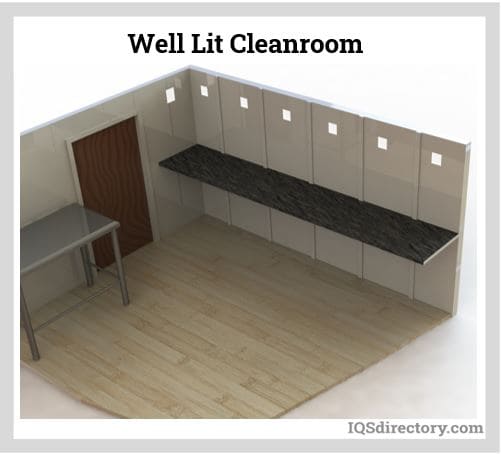
  • Cleanroom design refers to the type of design, including conventional, portable, hardwall modular, and softwall modular.
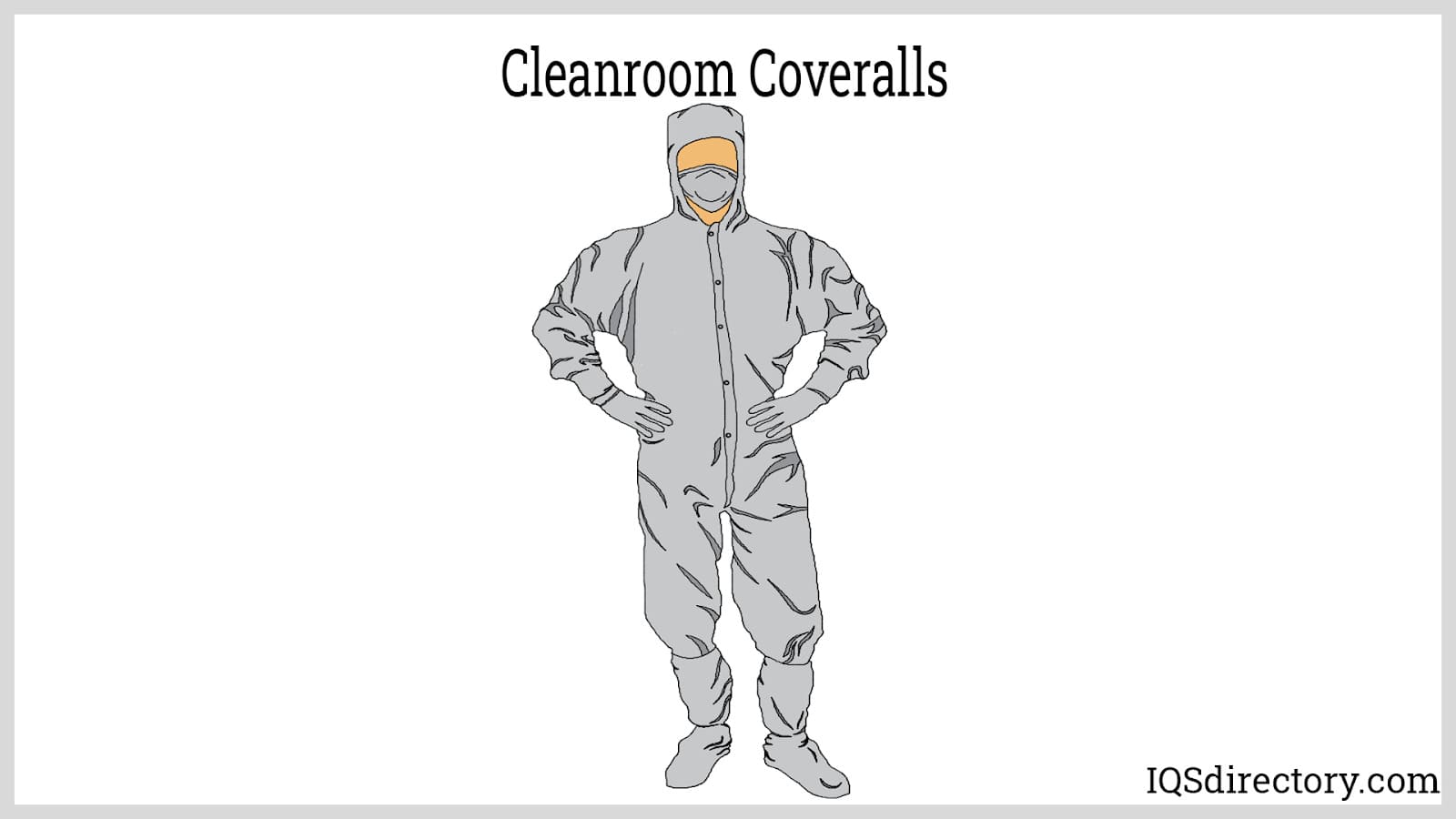
  • Cleanroom supplies include products that aid in maintaining a sterile cleanroom.
  • Cleanrooms are areas where air content is strictly controlled.
  • Conventional cleanrooms are generally permanent cleanrooms and are the most common type.
  • Laminar flow cleanrooms have filtration systems that control airflow and velocity to keep airborne particles from coming into contact with anything.
  • Micro environments are clean areas constructed around the wafer itself or around a part of the wafer to protect it from atmospheric exposure.
  • Mini environments are localized clean areas constructed around a specific tool or part to protect the wafer from atmospheric exposure.
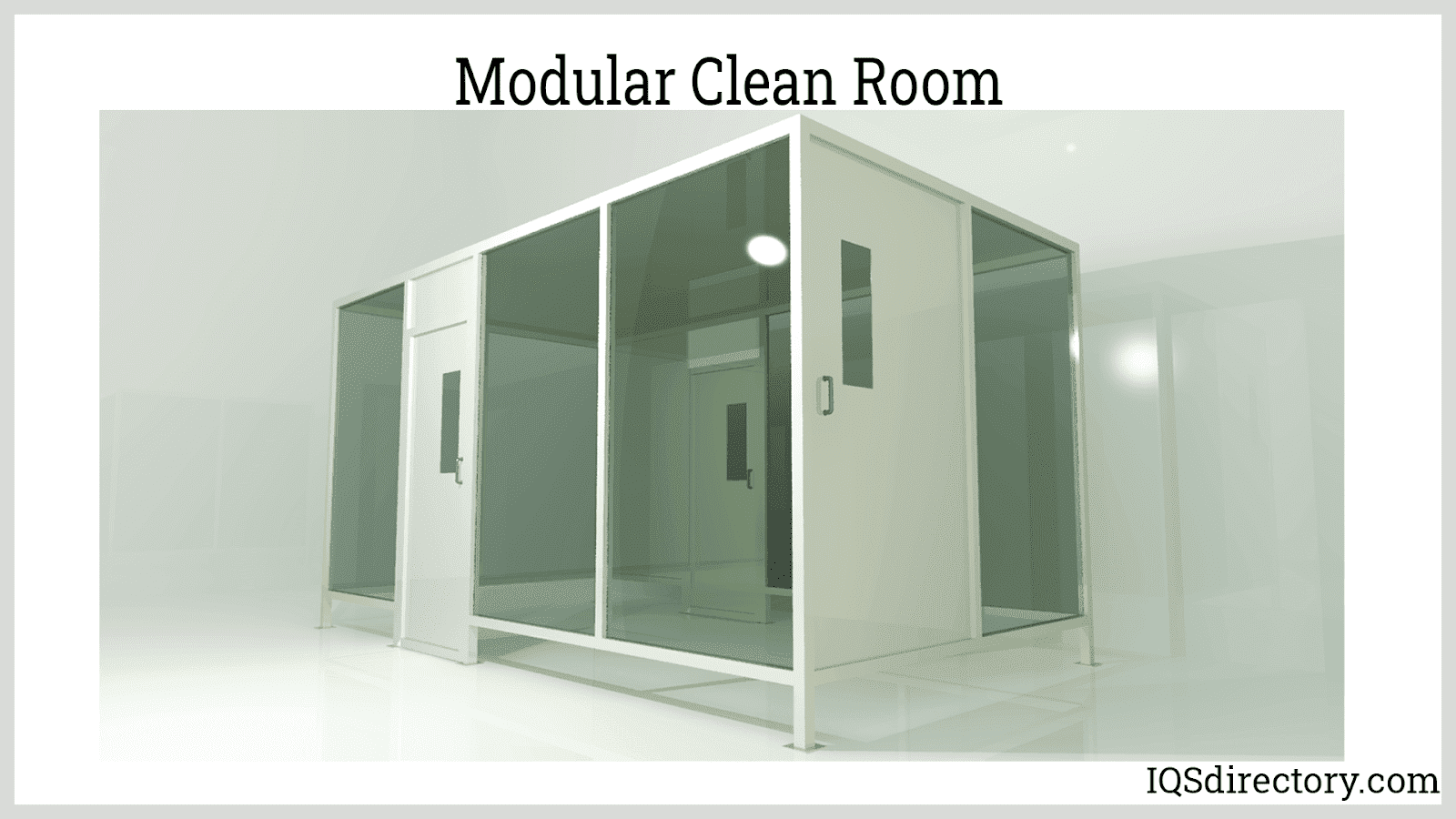
  • Modular cleanrooms are cleanrooms that are assembled on-site from pre-cut components (e.g. ceiling grid struts, walls, etc.).
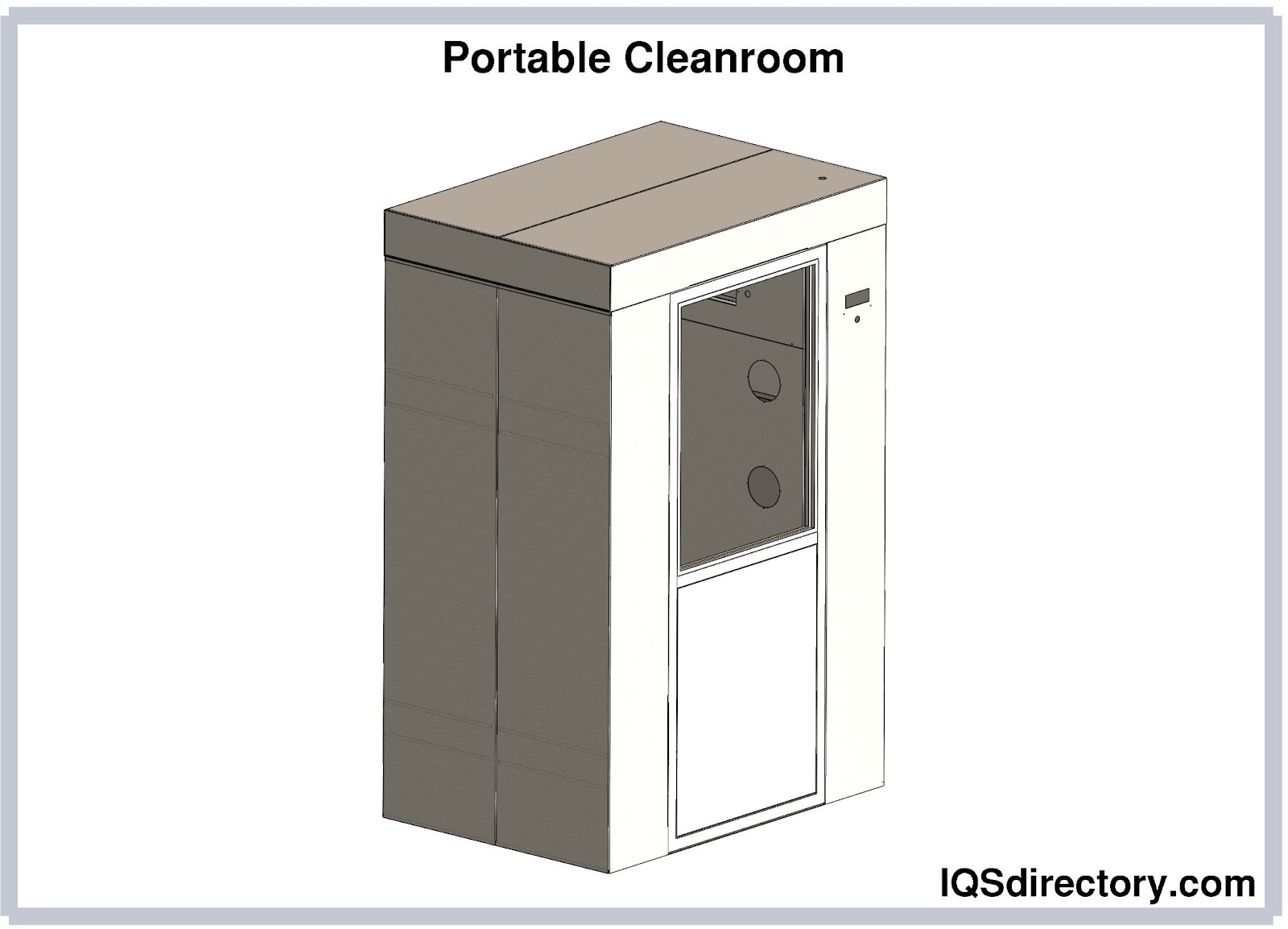
  • Portable clean rooms are transportable and self-contained.
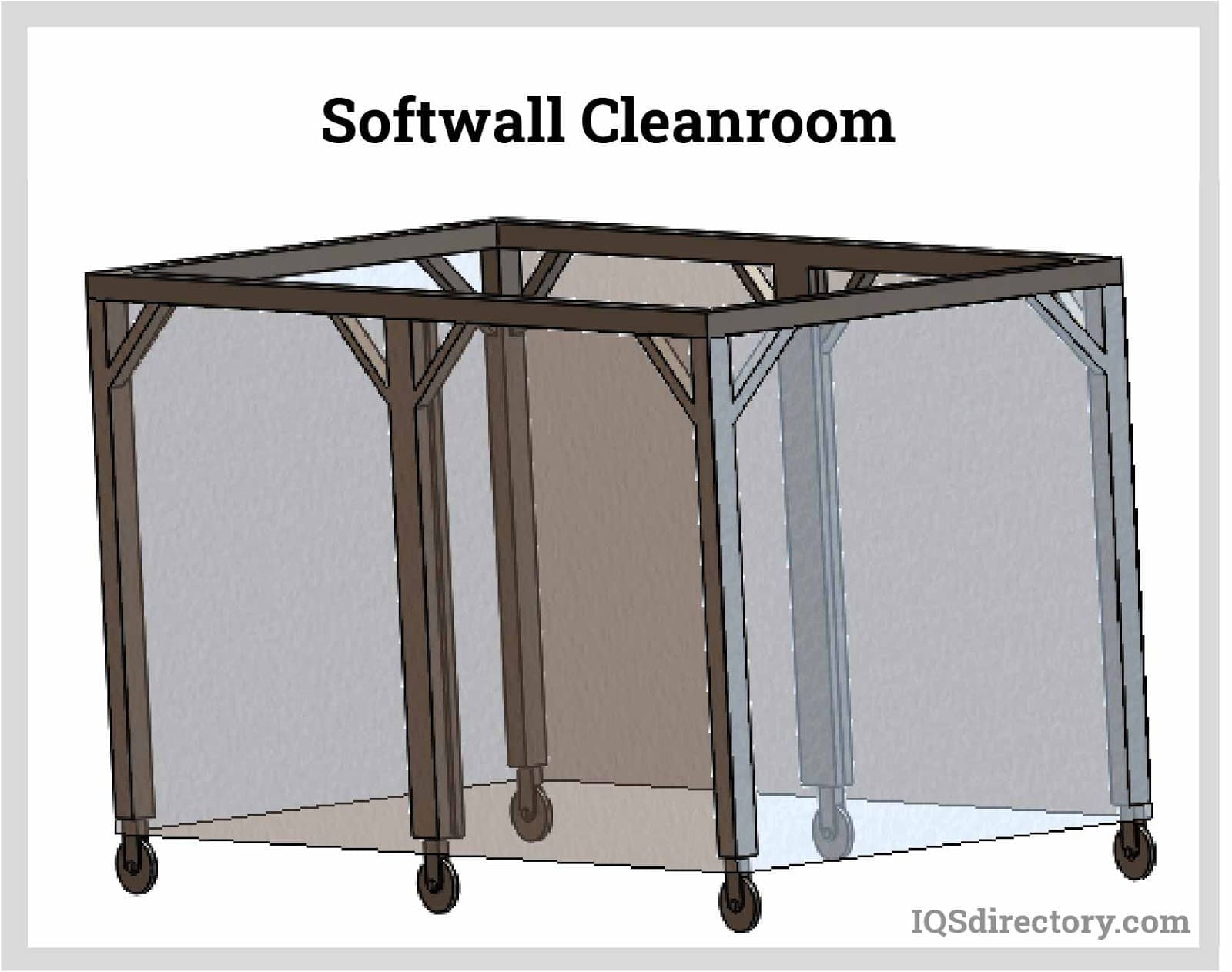
  • Softwall cleanrooms have walls constructed either of fabric stretched tightly over a frame or of free-hanging strips of fabric.


clean room design, modular clean rooms
sterile clean rooms, clean room equipment
List Your Company E-mail Sales Patent Pending Terms and Conditions
 
1500 E. Beltline Ste. 265     Grand Rapids, MI 49506
Ph: 877-977-5377 Fax: 616-285-3980
clean room construction, laminar flow clean rooms